
In the tide of modern industry, automated production is becoming a key force driving the industry forward with an unprecedented momentum.
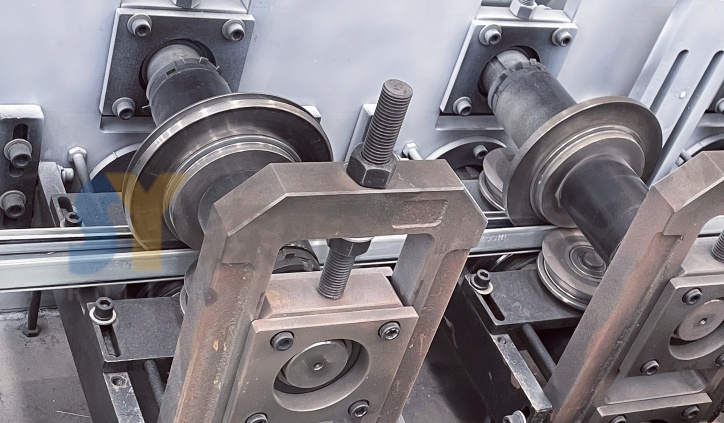
Walking into the production workshop, the automatic pipe cutting machine catches the eye first. It is like a precise and efficient "industrial tailor". Under the action of the equipment, the pipes are fed accurately, and the saw blade runs rapidly and smoothly, cutting each section of the pipe neatly. The whole process requires little manual intervention, which not only ensures the high precision of cutting but also greatly improves the production efficiency, making the previously time-consuming and laborious cutting work easy and efficient, and laying a solid foundation for the subsequent production links.
Automated production does not completely replace manual labor, but forms an efficient collaboration mode with it. Automated equipment is responsible for large-scale and high-precision production operations, while workers conduct detailed inspections of products based on their own professional experience to ensure that each batch of products can meet high-standard quality requirements.
The significance of automated production goes far beyond improving efficiency and ensuring quality. It represents the leap of industrial production from the traditional mode to the intelligent and modern mode. In the current increasingly fierce market competition, enterprises can respond to market demands more quickly and produce more competitive products by introducing automated production technology. At the same time, automated production can also effectively reduce labor costs, reduce human operation errors, and improve the overall operational efficiency of enterprises.
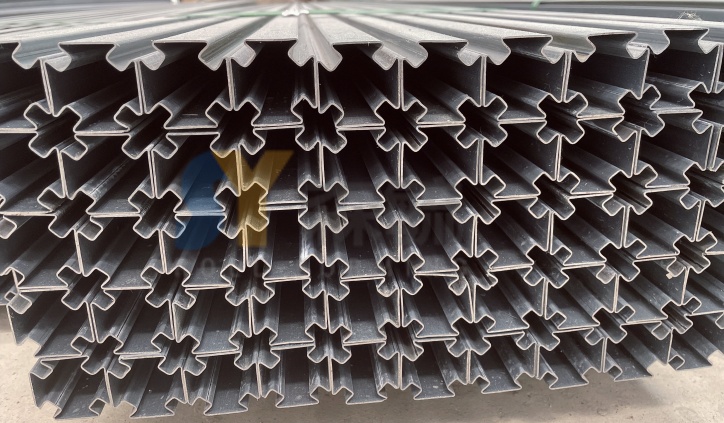
It is foreseeable that with the continuous progress of technology, automated production will be deeply applied in more industrial fields, continuously injecting strong momentum into industrial development and leading industrial production towards a more efficient and intelligent future.